
Ultimate Selection of Products for Rotten Beam Restoration
A curated list of essential tools and materials to help you effectively repair and reinforce compromised beams.
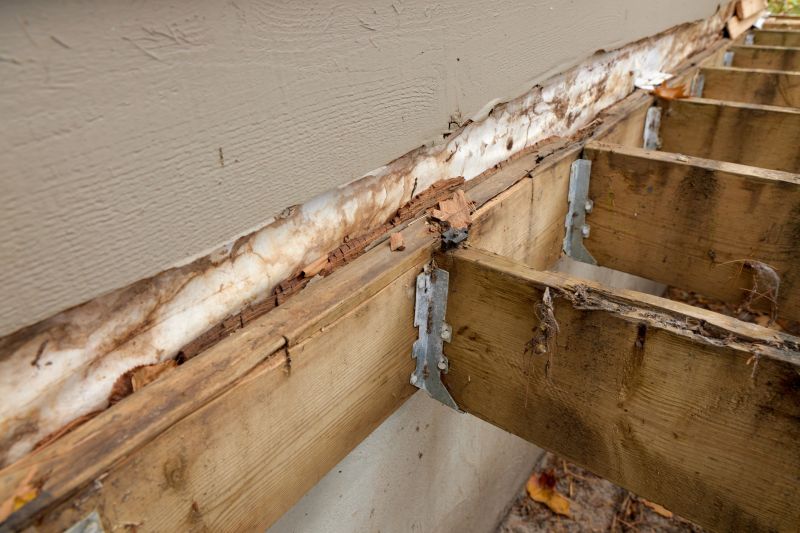 Rotten or damaged beams in a structure can compromise safety and stability if not addressed properly. Repairing rotten beams requires selecting the appropriate products to reinforce, replace, or seal the compromised wood. Various repair solutions are available to suit different levels of damage, from minor decay to extensive rot. Proper assessment of the extent of decay is essential before choosing the right products to ensure the integrity of the structure is maintained.
Top Overall Option
Heavy-Duty Structural Epoxy
A versatile heavy-duty structural epoxy offers strong adhesion and durability for repairing rotten or decayed wood beams. It can fill gaps, bond cracked wood, and restore structural integrity when applied correctly. This type of epoxy is suitable for both minor and extensive repairs, providing a long-lasting solution that reinforces the existing wood without the need for complete replacement.
Types of Products For Rotten Beam Repairs
Wood Filler and Putty
Used to fill small to moderate areas of decay, providing a smooth surface for finishing or painting.
Epoxy Consolidants
Penetrate and harden decayed wood, restoring strength and stability to compromised beams.
Structural Reinforcement Plates
Metal or composite plates that can be bolted or glued onto beams to provide additional support.
Beam Jacking and Lifting Devices
Tools and supports used to lift or stabilize sagging or damaged beams during repair.
Wood Replacement Beams
Pre-cut or custom-cut beams used to replace severely damaged sections.
Waterproof Sealants
Seal out moisture that can cause further decay or rot.
Rot-Resistant Wood Treatments
Chemical treatments applied to wood to prevent future decay.
Structural Support Beams
Additional beams installed to share load and provide support.
Fiber-Reinforced Repair Patches
Flexible patches that conform to the shape of the beam for reinforcement.
Concrete and Masonry Anchors
Anchors for attaching support elements to concrete or masonry structures.
Carpentry and Framing Hardware
Nails, screws, and brackets for securing repair components.
Pressure-Towered Injectors
Tools for injecting consolidants deep into decayed wood.
Popular Choices
Complete kits containing epoxy, applicators, and fillers for comprehensive repairs.
Liquid formulations that penetrate and stabilize soft or decayed wood.
Metal brackets designed to reinforce and stabilize beams.
Pre-formed patches for covering and reinforcing damaged areas.
High-strength fillers suitable for filling large gaps or holes.
Posts or columns used to support sagging or weakened beams.
Protective barriers to prevent water intrusion and future rot.
Supportive metal plates that can be bolted onto beams for added strength.
Quick-curing epoxy ideal for urgent repairs.
Treatments to extend the life of wooden beams and prevent decay.
Tools to lift and realign sagging or damaged beams during repair.
Flexible patches designed for structural reinforcement.
Anchors for attaching support elements to concrete surfaces.
Sealants to protect repaired areas from moisture and pests.
When considering repairs, it is important to evaluate the type of wood, the severity of the rot, and the environmental conditions. Some products are designed for quick fixes, while others provide long-term reinforcement. Using high-quality repair compounds, wood fillers, or structural supports can help restore the strength of the beam. In some cases, partial or complete replacement of the beam may be necessary, but many repair products enable effective reinforcement without full removal.
Safety should always be a priority when working with structural repairs. Proper protective gear, adequate ventilation, and following manufacturer instructions are critical. Additionally, consulting with a structural engineer or professional contractor can help determine the most suitable repair method and products. With the right selection, homeowners and contractors can effectively address rotten beam issues, ensuring the stability and safety of the building for years to come.
Overall, choosing the right products for rotten beam repairs depends on the extent of damage, the type of repair needed, and the desired longevity of the fix. There are numerous options available, from epoxy consolidants to wood patches, each designed to meet different repair needs. Proper application and product selection can make a significant difference in the durability and effectiveness of the repair work.
Key Buying Considerations
- Assess the extent of rot and damage to determine the appropriate repair method.
- Choose products compatible with the existing wood type and condition.
- Consider whether a temporary fix or a long-term solution is needed.
- Evaluate the environmental conditions where the repair will be applied, such as moisture levels.
- Look for products that are easy to apply with the available tools and skills.
- Check the curing time to ensure minimal disruption during repair work.
- Select repair products that provide adequate adhesion and bonding strength.
- Ensure the products are suitable for structural reinforcement if needed.
- Consider safety instructions and necessary protective gear during application.
- Review the manufacturer's instructions for surface preparation and application techniques.
- Opt for products with good track records for durability and performance.
- Determine if additional support components, such as brackets or supports, are required.
- Verify compatibility with other repair materials used in the project.
- Assess the potential for future repairs and choose products that facilitate easy maintenance.
This page contains affiliate links. We may earn a commission from qualifying purchases to help support our content and maintain quality.