Optimal Timing for Rotten Beam Repairs
Identifying the optimal time for rotten beam repairs is essential to prevent structural deterioration and avoid costly damage. The best time often depends on environmental conditions, building usage, and the severity of the decay. Regular inspections can help determine when intervention is necessary, especially in areas prone to moisture or high humidity.
Perform repairs during dry seasons to ensure optimal conditions for fixing and curing materials, reducing the risk of future moisture-related issues.
Routine inspections are recommended at least once annually, with more frequent checks in high-risk environments to catch early signs of decay.
Avoid scheduling repairs during adverse weather conditions, such as heavy rain or snow, which can hinder work quality and prolong repair timelines.
Plan repairs during periods of low occupancy to minimize disruption and ensure safety during the repair process.
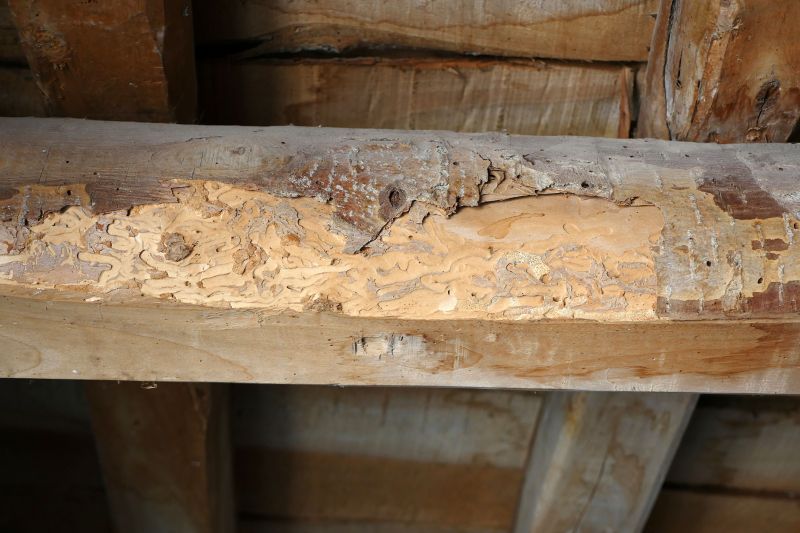
Visual assessment to detect early signs of decay and damage.
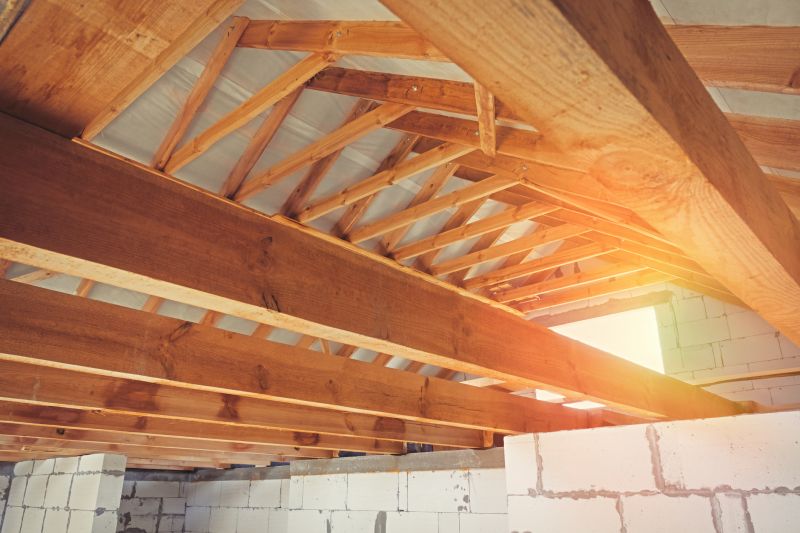
Timely intervention during optimal weather conditions ensures durability.
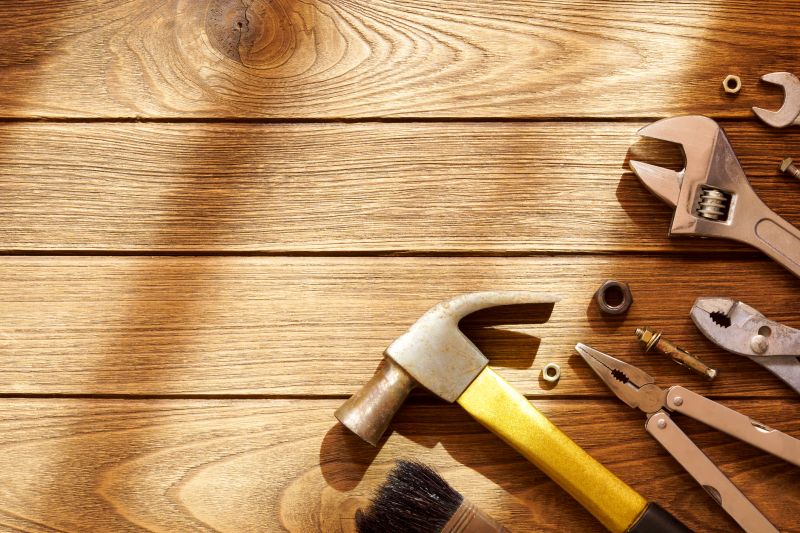
Specialized equipment used in fixing rotten beams effectively.
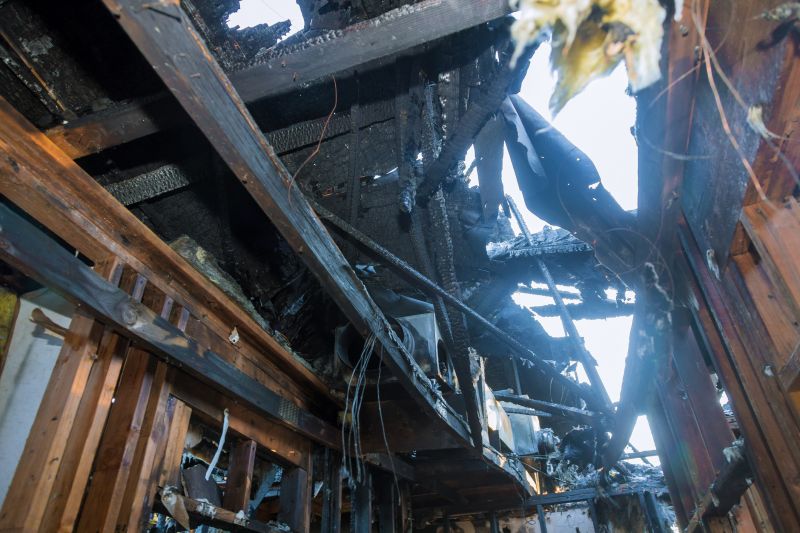
Ways to make Rotten Beam Repairs work in tight or awkward layouts.
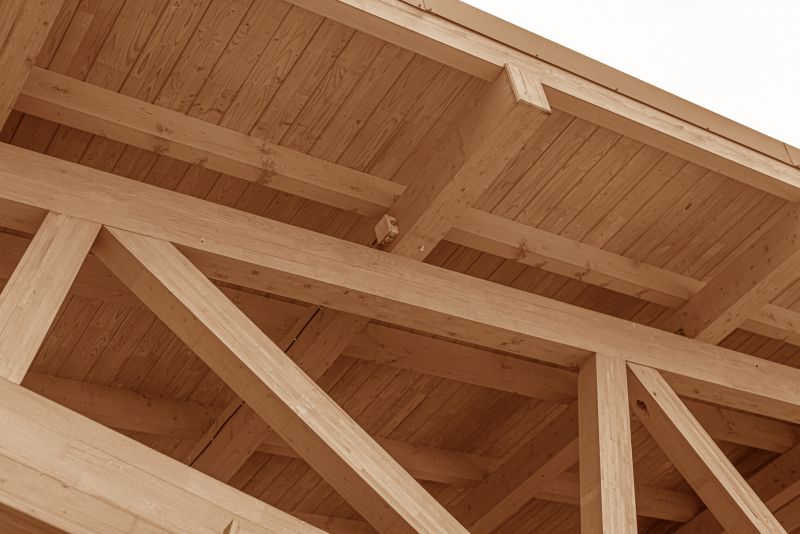
Popular materials for Rotten Beam Repairs and why they hold up over time.
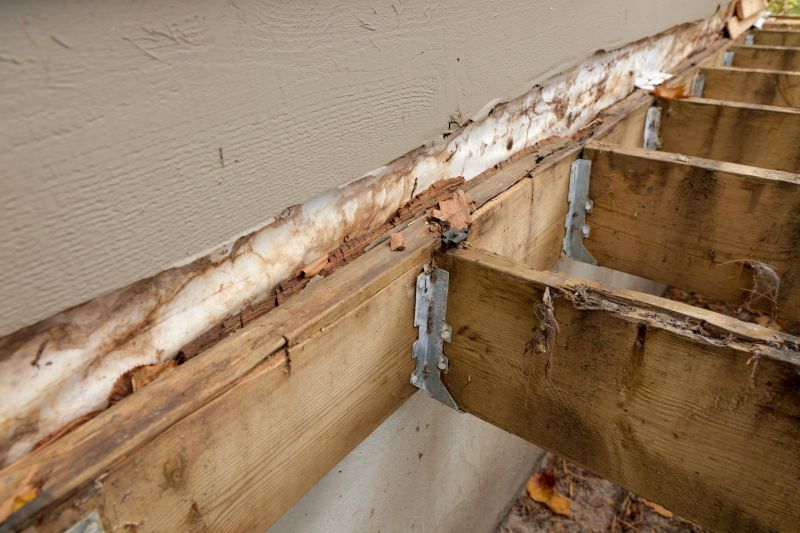
Simple add-ons that improve Rotten Beam Repairs without blowing the budget.
| Factor | Recommendation |
|---|---|
| Season | Perform repairs in dry, mild weather |
| Inspection Frequency | Annually or more often in high-risk areas |
| Weather Conditions | Avoid during heavy rain or snow |
| Building Use | Schedule during low occupancy periods |
| Decay Severity | Address early signs promptly |
Rotten beams compromise the structural integrity of buildings, leading to potential safety hazards and costly repairs if not addressed promptly. The decay process is often accelerated by moisture exposure, insects, and poor ventilation. Modern repair techniques focus on replacing or reinforcing affected beams with durable materials, ensuring longevity and stability.
Statistics indicate that early detection and timely repairs can extend the lifespan of wooden structures by decades. Regular maintenance and inspections are crucial, especially in environments with high humidity or frequent weather changes. Properly scheduled repairs minimize disruption and help maintain the safety standards of the building.
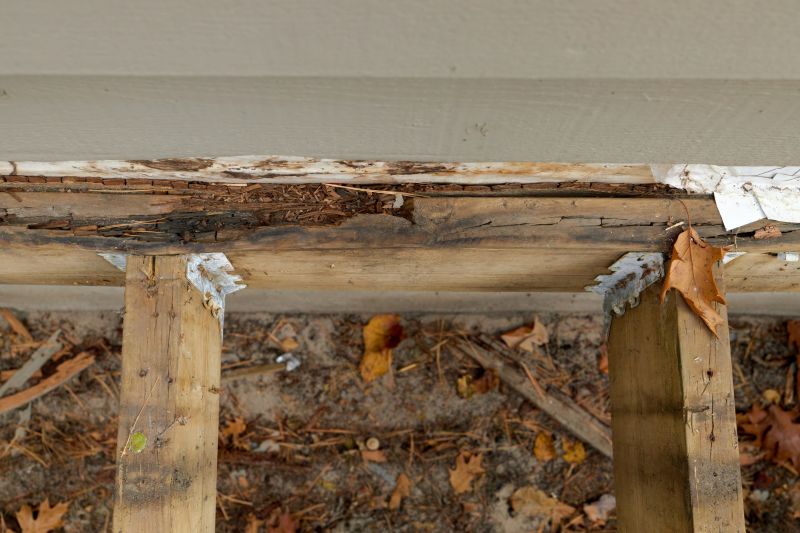
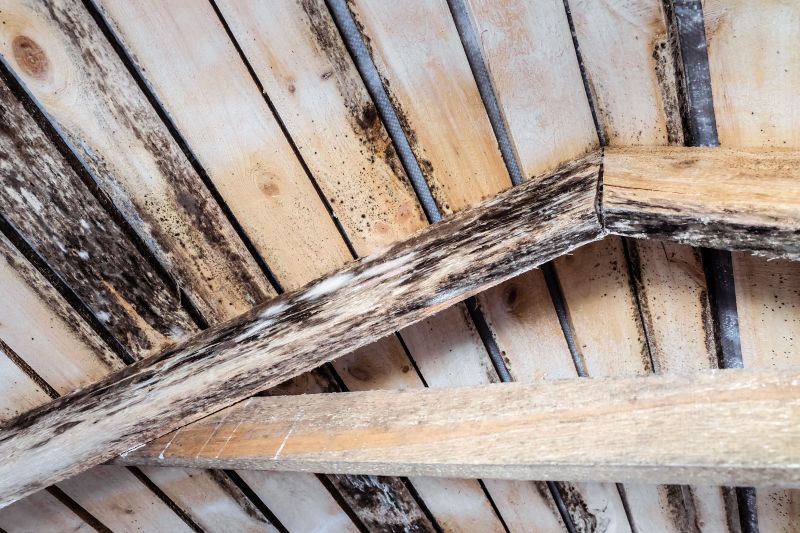
Close-up of decay and structural weakening.
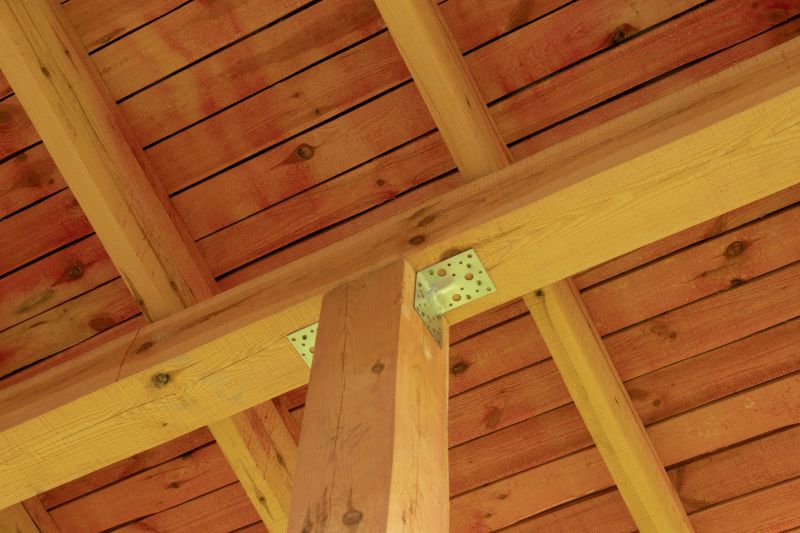
Using new supports to strengthen compromised beams.
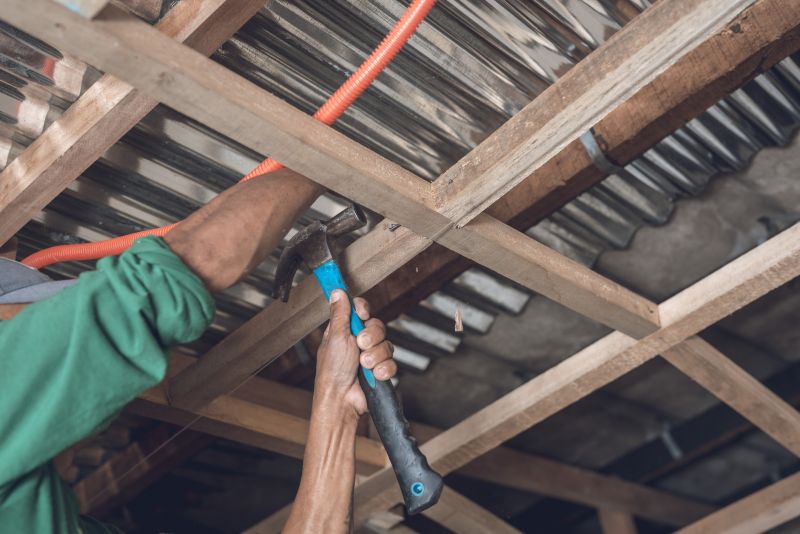
Finished restoration with new beams installed.
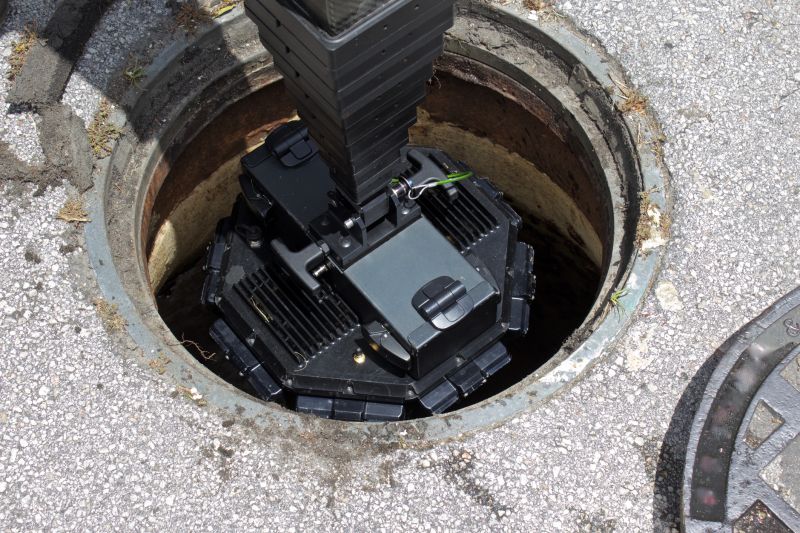
Equipment used for assessing beam integrity.
High-end options that actually feel worth it for Rotten Beam Repairs.
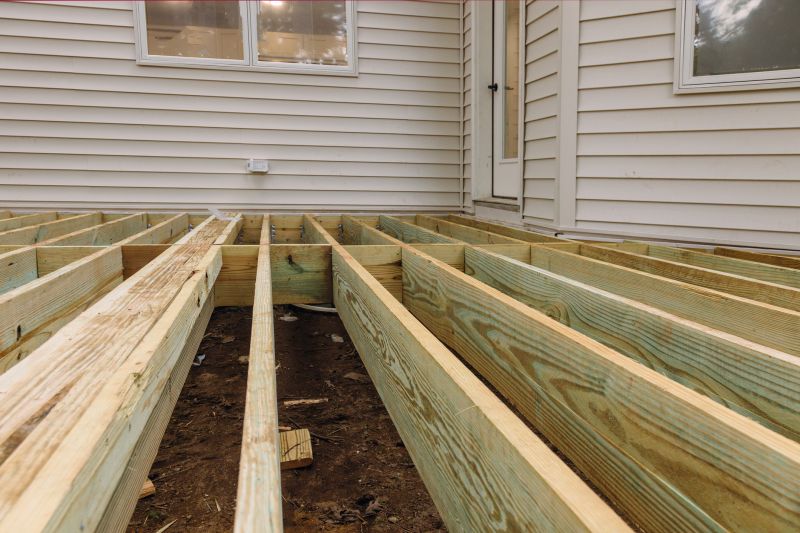
Finishes and colors that play nicely with Rotten Beam Repairs.
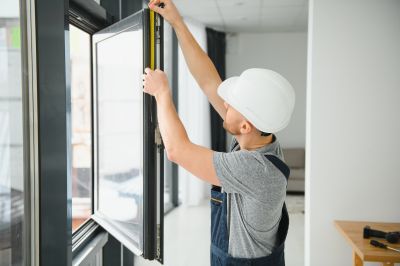
Little measurements that prevent headaches on Rotten Beam Repairs day.
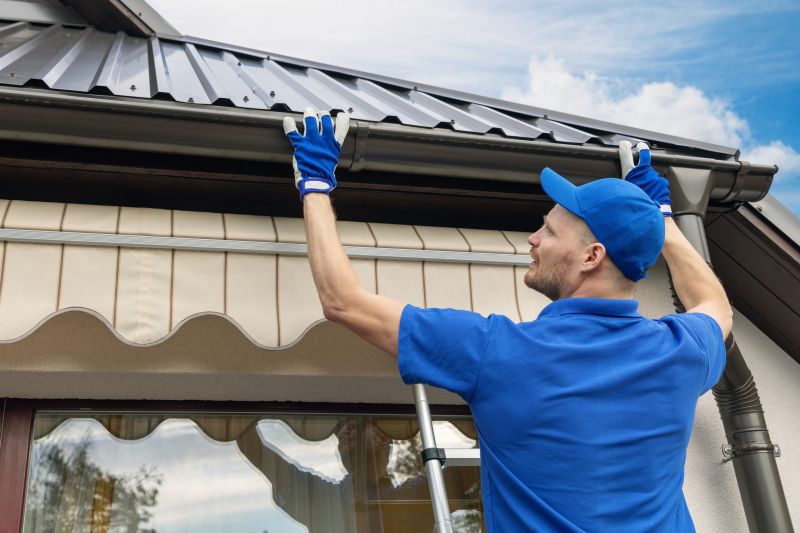
A 60-second routine that keeps Rotten Beam Repairs looking new.
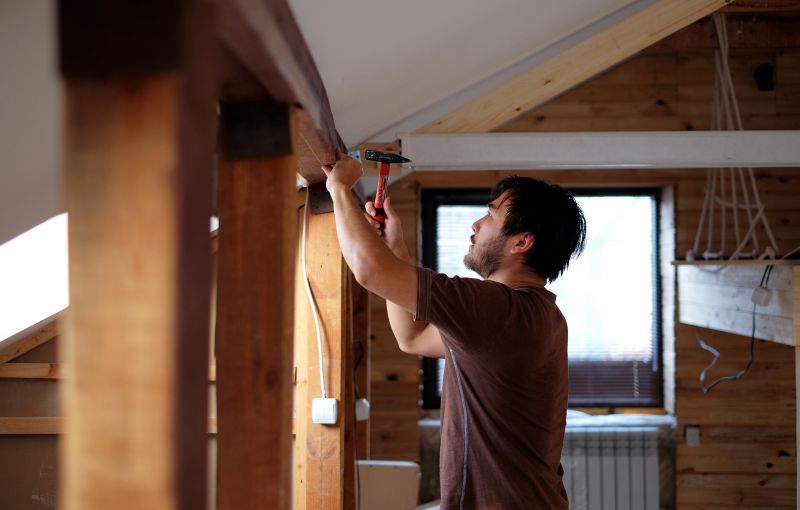
A frequent mistake in Rotten Beam Repairs and how to dodge it.
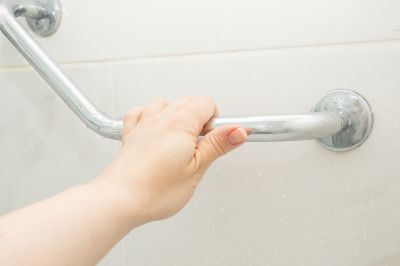
Small tweaks to make Rotten Beam Repairs safer and easier to use.
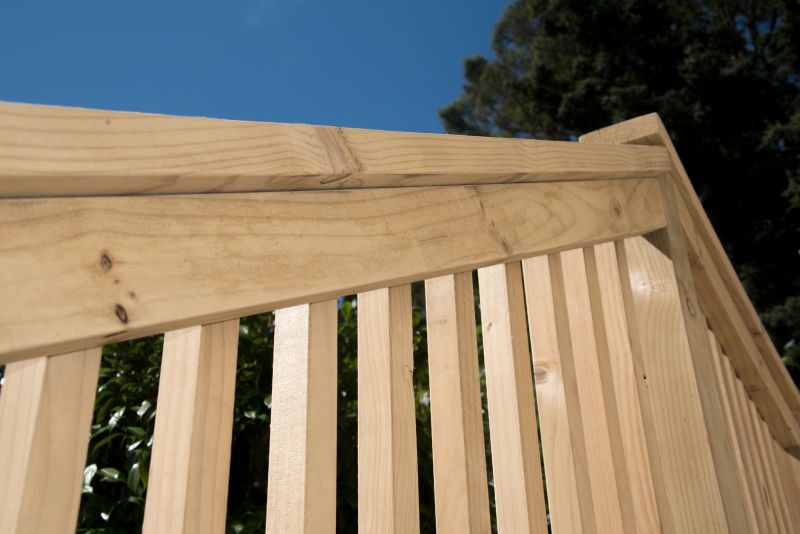
Lower-waste or water-saving choices for Rotten Beam Repairs.
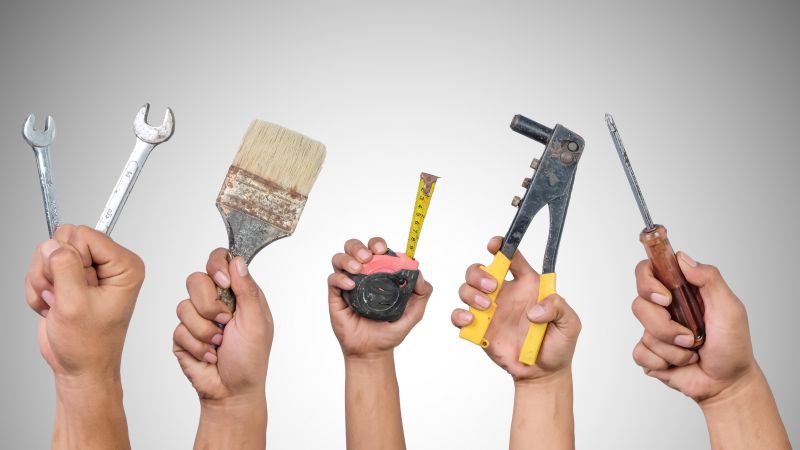
The short, realistic tool list for quality Rotten Beam Repairs.
Individuals interested in Rotten Beam Repairs are encouraged to contact for further information or to schedule an assessment. Proper timing and proactive maintenance are key to preserving structural safety and avoiding extensive repairs in the future.